Disc Herniation (Slipped Disc)
A condition where the soft inner portion of a spinal disc pushes through a tear in the outer layer
Understanding Disc Herniation
Intervertebral Discs and Their Role
The spine is made of small bones called vertebrae. Between each bone, there is a strong cushion called an intervertebral disc. This disc works like a shock absorber. It helps spread movement and force through the body. Because of the discs, the spine can be firm when it needs strength and flexible when it needs to bend. This helps the arms and legs move with more power.
The spine has different parts:
- 7 bones in the neck
- 12 bones in the chest
- 5 bones in the lower back
- 5 bones joined together near the hips
- 1 small tailbone
Disc problems can happen in the neck, chest, or lower back, but they are most common in the neck and lower back.
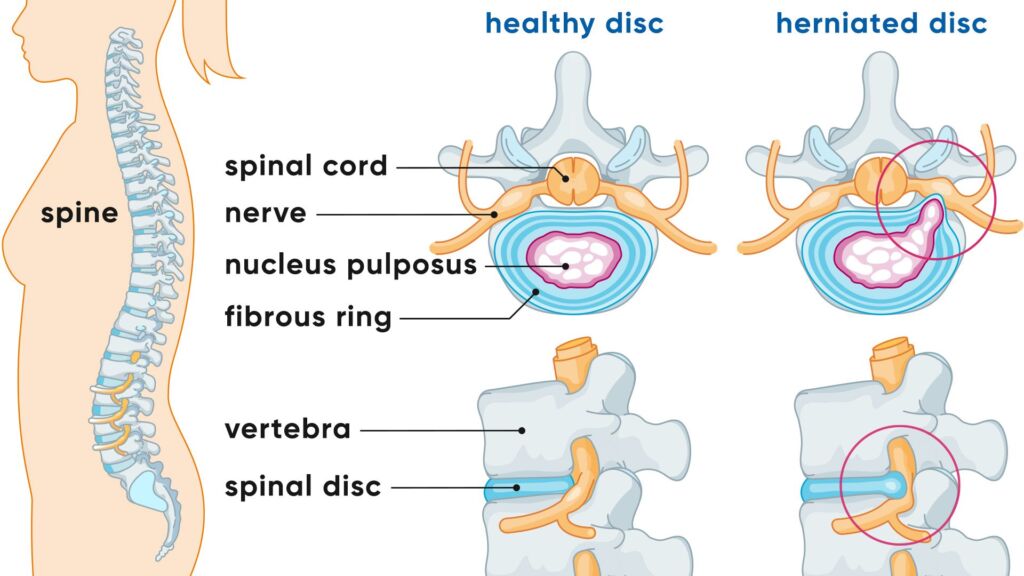
Each disc has a soft, jelly-like center and a strong outer layer. When the disc is healthy, the center stays soft. As people get older, this center slowly dries out. At the same time, small cracks can form in the outer layer, allowing some of the jelly to push out.
Types of Disc Herniation
A disc herniation happens when part of the soft center comes out through the outer layer. This can press on nearby nerves.
Causes of Disc Herniation
Disc wear and tear happens naturally with age and is normal.
A disc herniation, often called a “slipped disc,” can be linked to:
- Family history
- Physical strain or body stress
Pain traveling down the leg (often called sciatica) usually happens between the ages of 35 and 45. It is less common in older people.
People who sit for long hours at work may have more risk than those who are physically active. Smoking, being overweight, and poor physical fitness also increase the risk.
Studies show that more than half of people may have a disc problem without any pain. Why some people feel pain and others do not is still not clearly known.
Most people improve with simple treatment, and the disc often heals on its own. Less than 5% of people with arm or leg pain from a disc problem may need surgery.
Diagnosis of Disc Herniation
Symptoms
A disc problem can irritate nearby nerves. This may cause pain in the front of the thigh or pain starting from the buttock and going down the back of the leg to the foot. This depends on which nerve is affected.
If the disc problem is in the neck, pain may spread down the arm. Loss of bowel or bladder control is a serious warning sign and needs urgent medical care.
Tests Done
Doctors may use the following tests to find the cause of pain:
- MRI scan
- Muscle and nerve tests
- Nerve signal tests (sometimes)
Treatment Options: Without Surgery and With Surgery
Non-Surgical Treatment
The first treatment focuses on reducing pain and swelling. Doctors usually reassure patients that the condition often improves by itself. Patients are encouraged to return to normal activities as soon as they can.
Some doctors advise physical therapy because muscle tightness and poor posture can continue even after pain reduces. Improving posture and spine position is important during recovery.
Surgical Treatment
If pain does not improve and becomes difficult to live with, surgery may be needed. Surgery is also required when the disc presses strongly on nerves and causes severe pain.
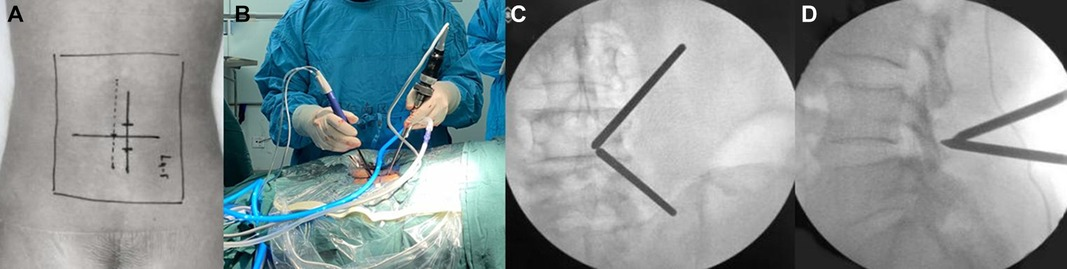
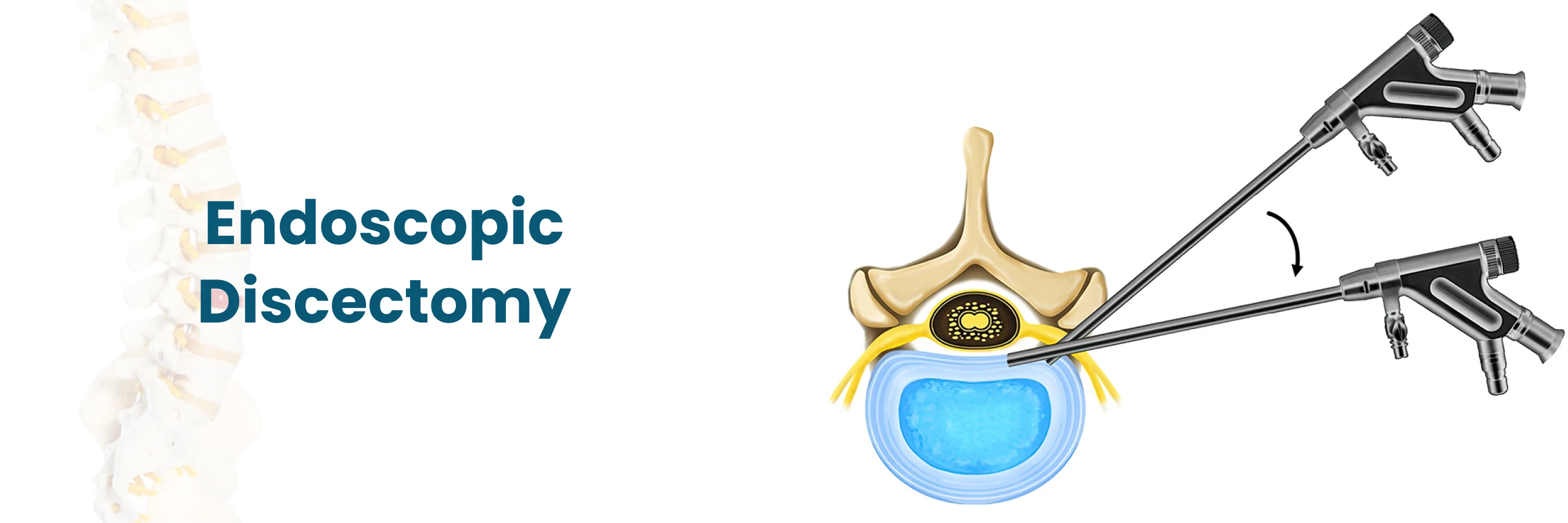
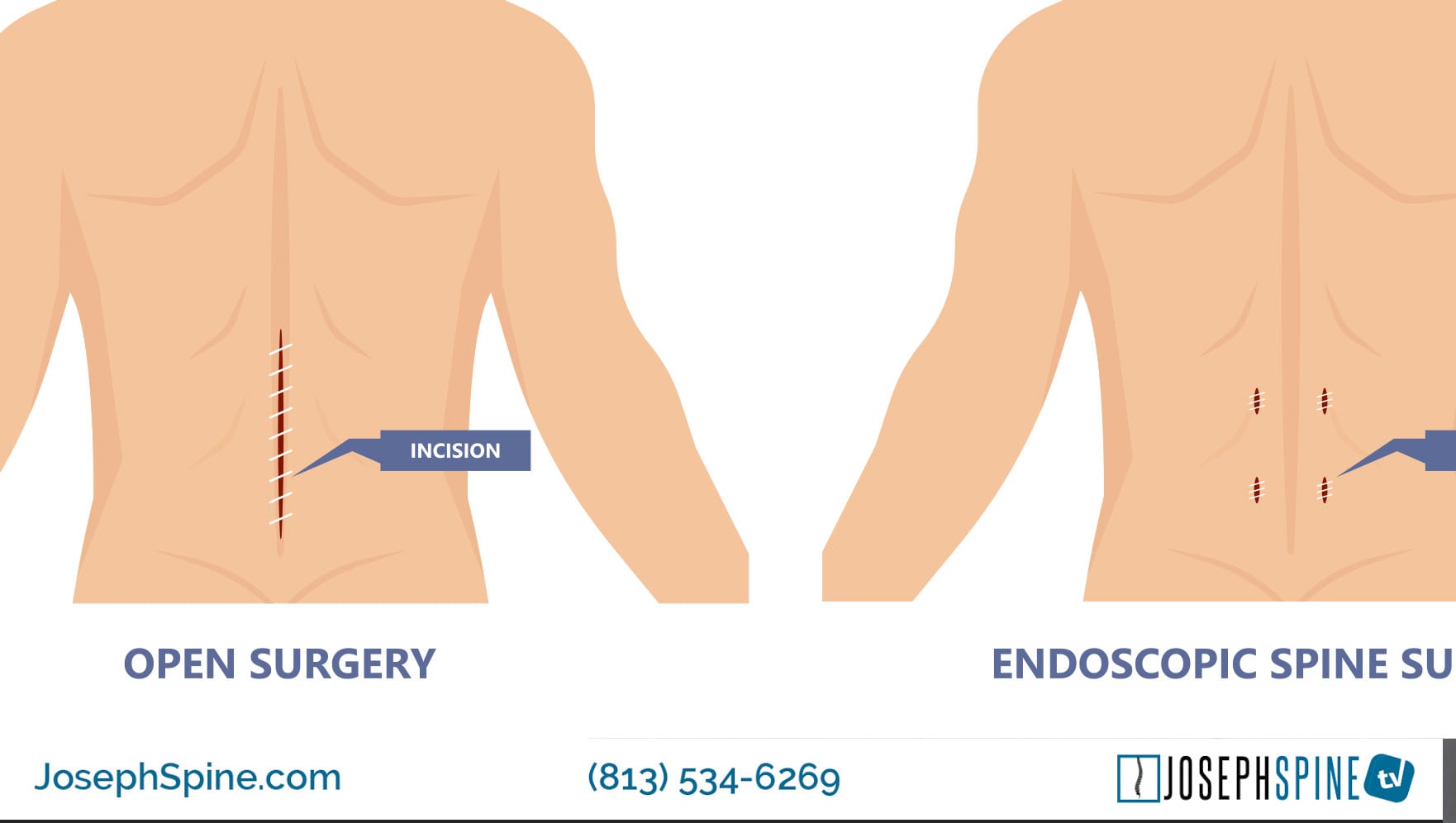
The surgery involves making a small cut—either in the front of the neck or the back—depending on the disc location. The part of the disc pressing on the nerve is removed.
After surgery, patients are encouraged to stand and walk early. Hospital stay depends on the hospital and country. Patients should slowly return to daily activities based on the doctor’s advice.
Frequently Asked Questions
More Images