Introduction: Types and Causes of Scoliosis
Types of Scoliosis
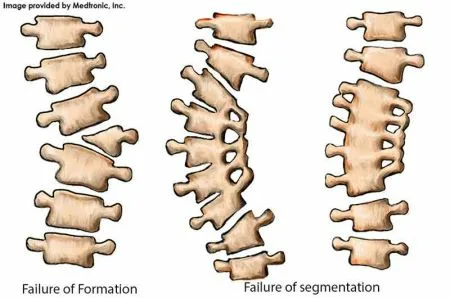
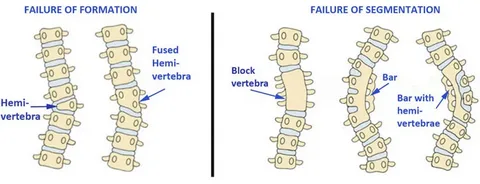
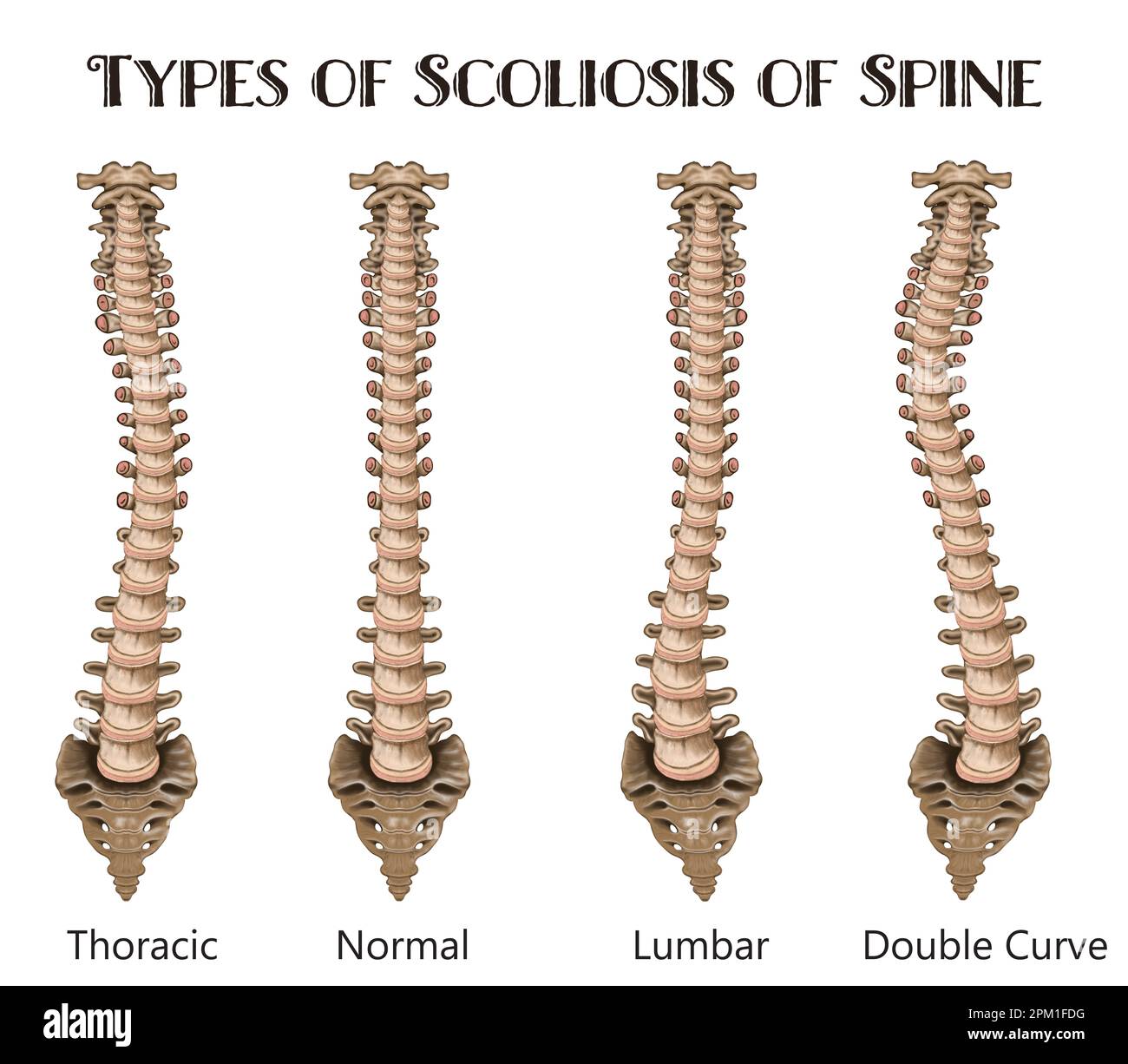
Scoliosis is a condition where the spine curves sideways and twists. There are different types of scoliosis, based on the cause. These include idiopathic, congenital, syndromal, neuromuscular, and age-related scoliosis.
Scoliosis can affect people of any age. For example, idiopathic scoliosis can start early in life (at six years old or younger) or later in childhood (after six years). Age-related scoliosis usually develops in older adults, often after the age of 60.
Adolescent Idiopathic Scoliosis
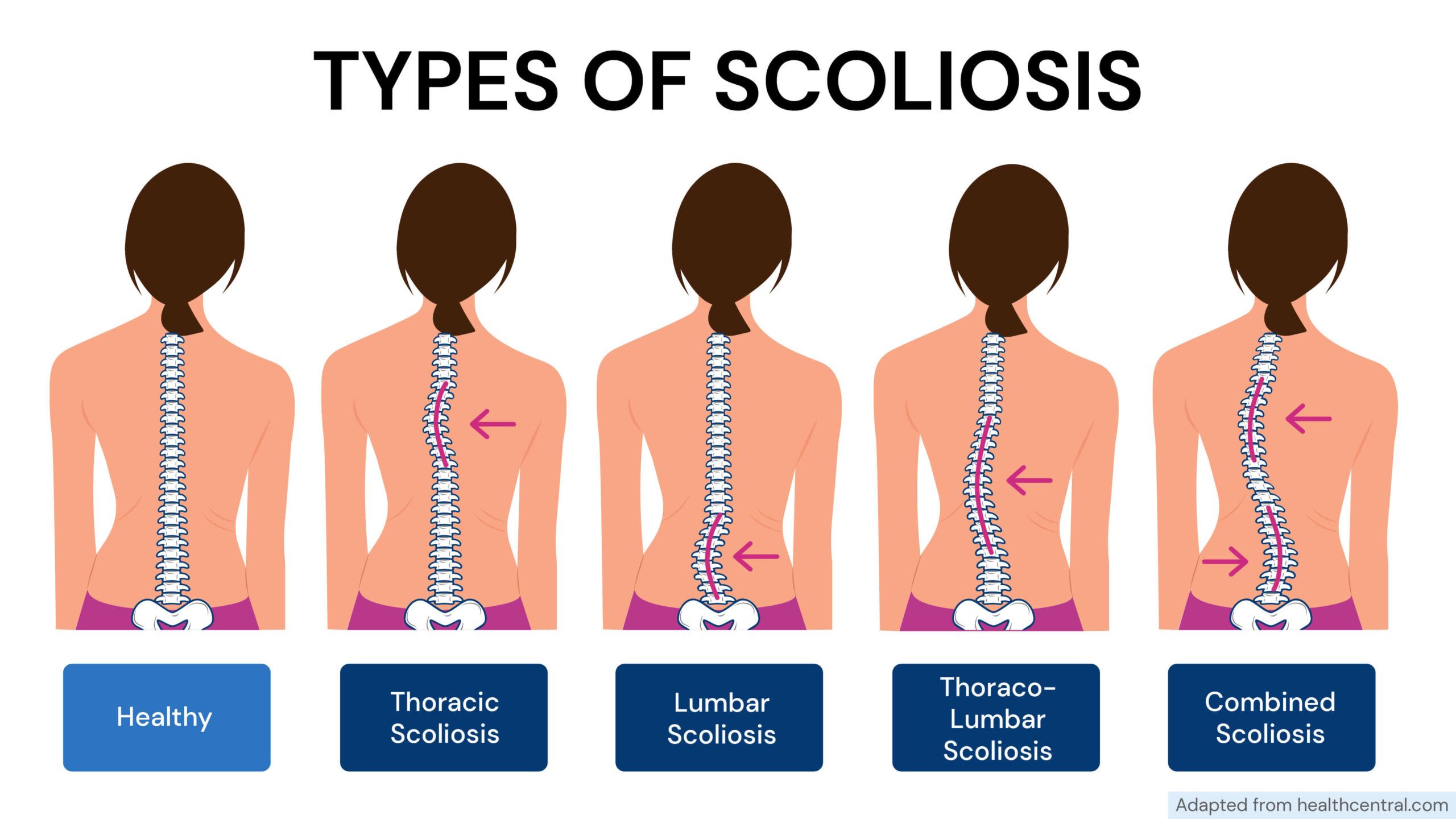
The spine is naturally shaped in three dimensions. When viewed from the front, it should look straight. From the side, it normally has gentle curves. Scoliosis happens when the spine curves sideways and also twists, which is not normal.
Who Gets Adolescent Idiopathic Scoliosis and Why?
This type of scoliosis can affect any child or teenager. It is more common in girls than boys. It is often first noticed during puberty, when children grow quickly.
When the exact reason for scoliosis is not known, it is called “idiopathic.” Research suggests that family history may play a role, as scoliosis can run in families. Identical twins often have very similar spine curves.
Diagnosing Scoliosis: Symptoms, Signs, and Tests
Symptoms and Signs of Scoliosis
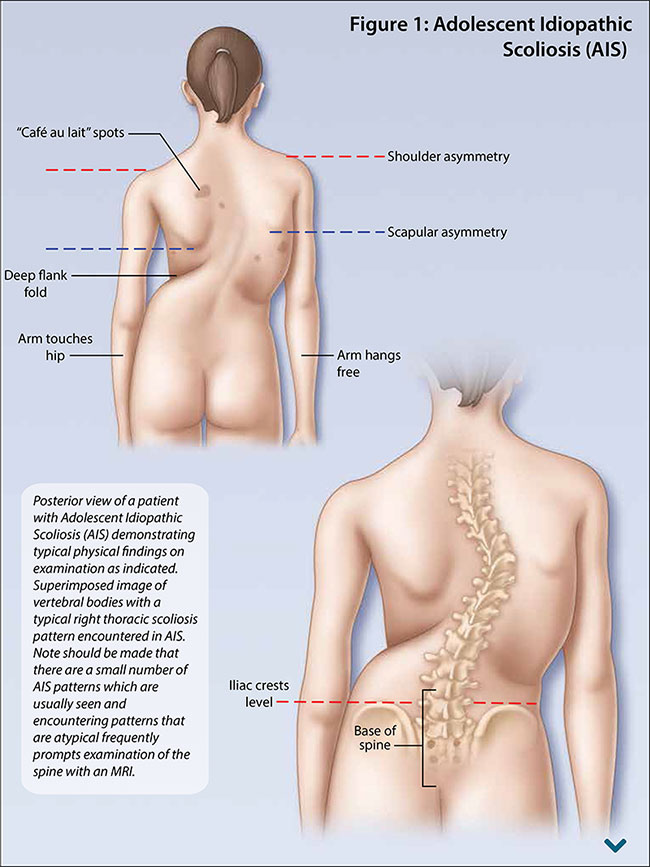
Scoliosis is usually noticed because of changes in how the back looks. There may be a visible curve in the spine. One side of the rib cage may stick out more than the other. One shoulder may look higher, or one shoulder blade may stand out more. Sometimes, one hip may appear higher or more prominent.
Back pain is not very common in children with scoliosis.
Doctors often ask the child to bend forward, which helps make the curve easier to see and measure.
A careful check of nerves, muscles, and skin is done to rule out other possible causes of the spinal curve.
Tests Used to Diagnose Scoliosis
X-rays are usually taken when a child sees a spine specialist. These X-rays are carefully planned to limit exposure to radiation.
MRI scans are not always needed. A doctor experienced in treating scoliosis should assess the child and usually continue follow-up visits until growth is complete. Most children finish growing about two years after puberty.
Treatment Options for Scoliosis: Bracing, Surgery, and Outlook
Non-Surgical Treatment for Scoliosis
If the spinal curve is small and not getting worse, treatment may only involve regular check-ups and reassurance.
A spinal curve that develops after the age of eight does not affect the heart or lungs. Children and teenagers with scoliosis should continue all sports and physical activities without restriction. A curved spine does not mean the back is weak and should not be seen as a disability.
For children who are still growing, wearing a back brace may help stop the curve from worsening. Once growth is finished, braces are usually not very helpful.
Surgical Treatment for Scoliosis
Surgery can be very effective for larger curves. The main benefits are improved body shape and preventing the curve from getting worse.
The type of surgery depends on how severe the curve is and where it is located in the spine. Most scoliosis surgeries involve straightening the spine as much as safely possible and joining the curved bones together so they no longer move.
This works well when the curve is in the upper or middle back. Surgery involving the lower back can sometimes affect movement more. The risks and benefits of surgery must be carefully explained and discussed. This decision is made together by the doctor, patient, and family.
Recovery and Long-Term Outlook
Most people treated for scoliosis, with or without surgery, experience better comfort and quality of life. Recovery time and long-term results depend on the person, the size of the curve, and the type of treatment used.
Regular follow-up visits with a specialist are important to track progress and achieve the best possible outcome.
Frequently Asked Questions
More Images