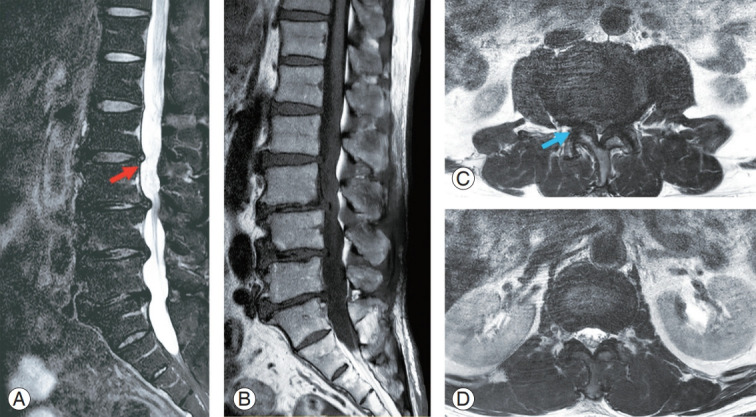
Spinal Stenosis (Cervical Stenosis)
Narrowing of the spinal canal that puts pressure on the spinal cord and nerves
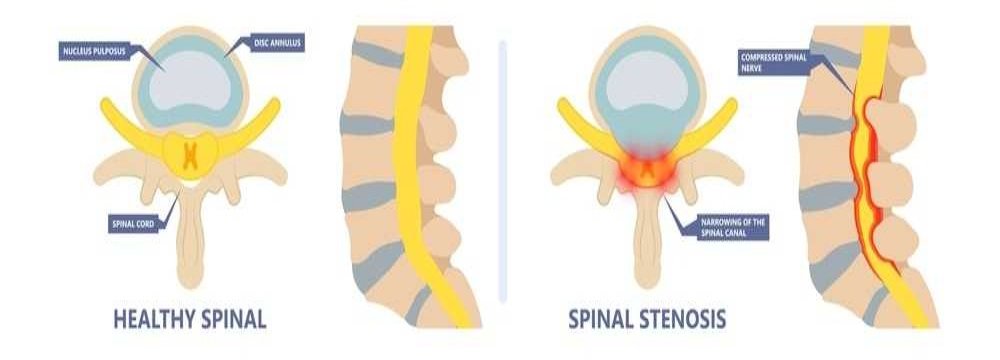
Introduction: Understanding Spinal Stenosis
What Is Spinal Stenosis?
Spinal stenosis means narrowing of the space inside the spine where the nerves pass. When this narrowing happens in the lower back, it is called lumbar spinal stenosis. It usually affects the last five bones of the spine and is most common in the lower part of the back.
Causes of Lumbar Spinal Stenosis
Some people are born with a narrow space in their spine. However, most people develop spinal stenosis after the age of 50. This happens due to long-term use of the spine over many years.
As the body ages, several changes can occur:
- Extra bone may grow around the spine
- The soft bands that support the spine may become thick
- Swelling of joints may create small fluid-filled sacs
- A disc between the bones may move out of place
Sometimes, one bone may slowly slip forward over another. When movement makes the narrowing worse, this condition is called spinal slipping.
All these changes reduce space inside the spine and can press on the nerves.
Symptoms of Spinal Stenosis
How Narrowing of the Spine Affects the Body
Just having a narrow spine does not always cause problems. Symptoms usually start when the nerves become irritated or swollen due to pressure.
Common Symptoms
People with lumbar spinal stenosis often feel pain, weakness, or numbness in the legs, calves, or buttocks. Many notice that symptoms get worse after walking for a short distance and improve when they sit, bend forward, or lie down.
This is why people with spinal stenosis often feel better when leaning on a shopping trolley, bicycle, or walking aid.
In some people, pain starts in the legs and moves up toward the buttocks. In others, pain begins higher and moves down the legs. The pain may feel sharp and spreading, or like tight muscle cramps. In severe cases, pain may be present all the time.
Diagnosis of Spinal Stenosis
Doctors usually use several steps to understand the problem.
Medical History
The doctor will ask about symptoms and how they have changed over time. Common complaints include:
- Leg or buttock pain while walking
- Bending forward to reduce pain
- Feeling better when using a bicycle or shopping cart
- Weakness or numbness in the legs while walking
- Pain in the lower back
Physical Examination
The doctor will check how well the spine moves, balance, and areas of pain. They will also test strength, sensation, and reflexes in the arms and legs to look for nerve problems.
Tests Used
If needed, doctors may suggest tests to look inside the body, such as:
- MRI scan: shows nerves and soft tissues but requires lying still for a long time
- CT scan: gives a clearer view of the bones
- X-rays: show bone shape and spine alignment, especially when taken while standing
Treatment for Spinal Stenosis
Non-Surgical Treatment
Medicines
Three types of medicines are commonly used to reduce pain:
- Medicines that reduce swelling
- Medicines for nerve-related pain
- Simple pain relief tablets
Strong painkillers and calming medicines are usually avoided because they can cause harm.
Exercise and Activity
There is no special exercise for spinal stenosis, but staying active is very important. Any activity that you enjoy and does not increase pain is helpful.
Cycling, especially on a stationary bike, is often comfortable because the slightly bent position can reduce leg pain.
Injections
Injections may help reduce pain that travels down the leg. They usually do not help much with back pain.
More details about non-surgical care are available in our other educational articles.
Surgical Treatment for Spinal Stenosis
When Is Surgery Considered?
Surgery is usually discussed between the patient and doctor together. It is mostly done to improve daily life and comfort, not as an emergency in most cases.
Types of Surgery
The most common surgery removes a small amount of bone to create more space for the nerves. This reduces pressure and helps ease pain.
Sometimes, the spine also needs support. In these cases, bones may be joined together using metal screws and rods to keep the spine stable.
Large studies show that many patients feel better after surgery, with long-lasting improvement in walking ability and leg pain.
Final Advice
Most people have good results from surgery, but all operations carry some risk. Patients are encouraged to carefully discuss all treatment options with their doctor before deciding.
Frequently Asked Questions