Back
Spinal Tuberculosis (Pott's Disease)
Tuberculosis infection affecting the spine, common in Nepal and South Asia
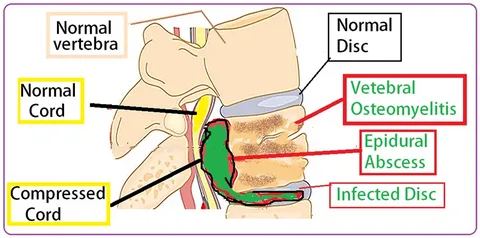
Overview
Spinal tuberculosis, also known as Pott's disease, is a form of tuberculosis that affects the spine. It occurs when TB bacteria spread from the lungs to the spine through the bloodstream. This condition is particularly relevant in Nepal and South Asia where TB is more prevalent. Early diagnosis and treatment are essential to prevent permanent spinal deformity.
Symptoms
- Chronic back pain
- Night sweats and fever
- Weight loss
- Spinal deformity (gibbus/hunchback)
- Neurological symptoms in advanced cases
Causes
- Mycobacterium tuberculosis infection
- Spread from pulmonary TB
- Weakened immune system
- Poor nutrition
- Living in endemic areas
Diagnosis
- Blood tests (ESR, CRP)
- Tuberculin skin test
- MRI scan (gold standard)
- CT-guided biopsy
- Gene Xpert/molecular testing
Treatment
- Anti-tubercular therapy (ATT) - 12-18 months
- Spinal bracing
- Nutritional support
- Surgical drainage of abscesses
- Spinal reconstruction for deformity
Recovery & Prognosis
With proper anti-tubercular treatment, most patients achieve full recovery over 12-18 months. Surgical patients may require additional rehabilitation for several months.